Race the Nile
Uganda Ultra 2026
Explorers Edition – Nov 23-27 – 2026
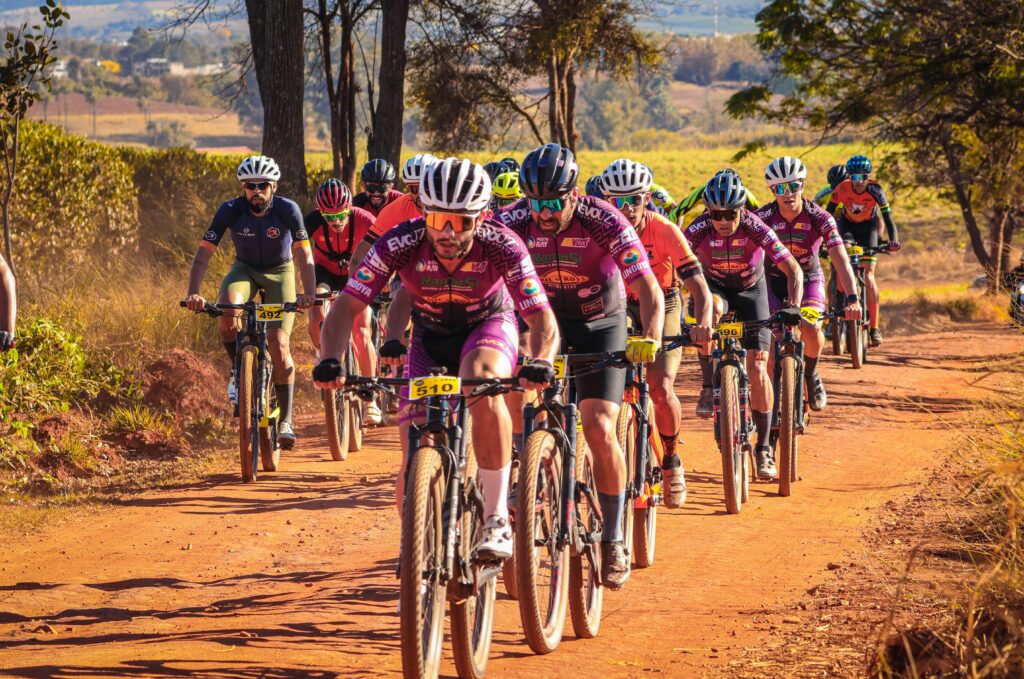
Your challenge:
You are no riders.
Your are pathfinders.
This is not a race on an existing map. This route is a first-ever expedition through one of Africa’s least explored regions.
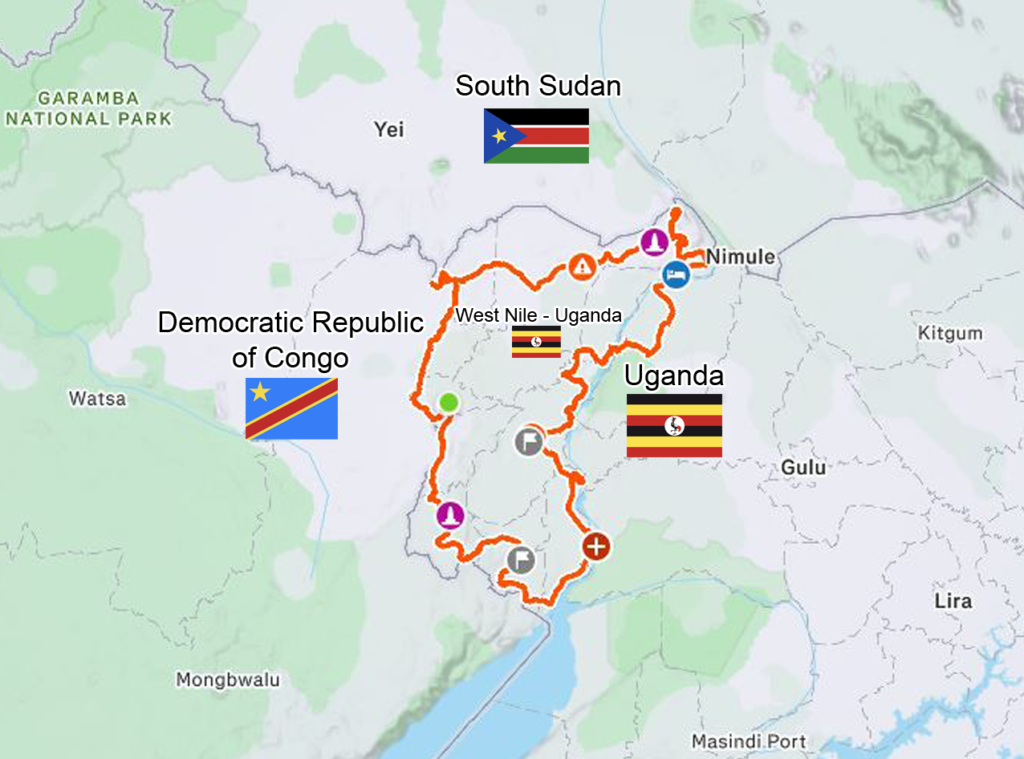
- 800-900 km / 10.900m net in climb / 3% paved
- Starting and Finishing point: ARUA
- Borderlands of South Sudan and DR Congo
- Along the Nile River
- Wildlife and Open Landscapes of the Murchison Falls Ecosystem
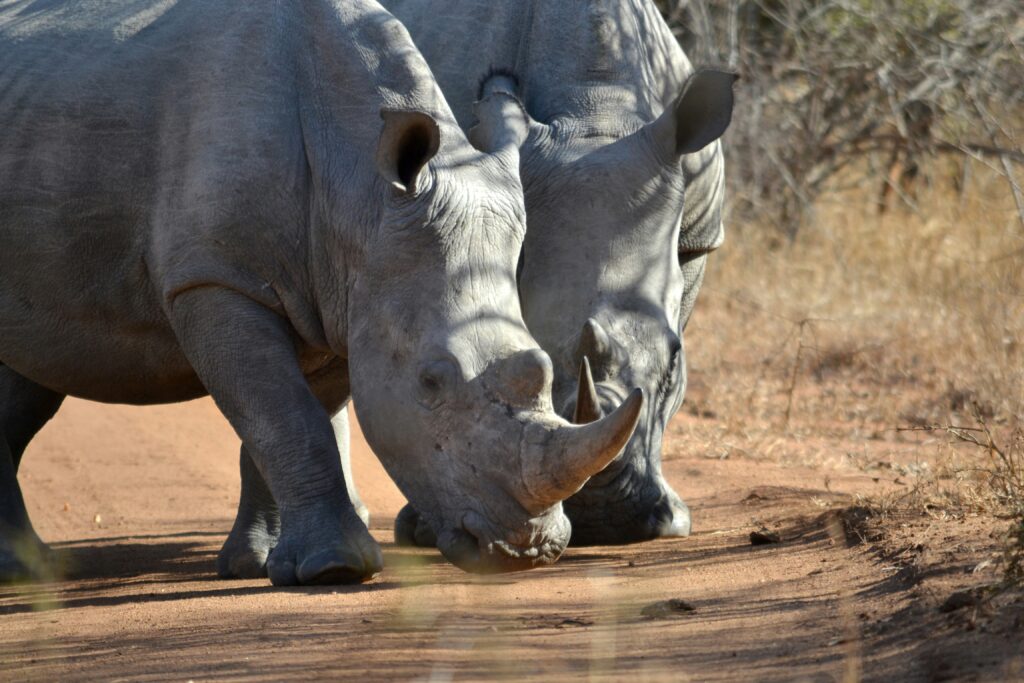
- Home of the White Rhino
- Living Cultures and Tribes
- 23rd to 27th November
Win the Race.
Name a Rhino.
Restore a Legacy.
From extinction to return: Race the Nile connects every rider to the revival of Uganda’s White Rhinos — turning a finish line into a lasting impact on conservation, community, and history.
- Name a White Rhino – The race winner earns the rare right to name one of the newly reintroduced rhinos at Ajai Wildlife Reserve
- From Extinction to Comeback – Rhinos disappeared in the 1970s–80s; now a population of 22 is being rebuilt
- Race with Impact – Participation directly contributes to ecosystem restoration and local community development
- More than a Race – A tangible legacy, not just kilometers ridden
The Race
This is the very first 800 km self-supported gravel race across the West Nile of Uganda.
The starting and finishing points will be in ARUA, the largest city in the region, and it is designed for trailblazers to ride through raw, untamed landscapes, embrace the challenge, and experience a journey that is as demanding as it is unforgettable.
This event introduces the region responsibly and without exploiting it. It builds visibility while strengthening local systems. Each rider contributes to the region.
What is this race all about?
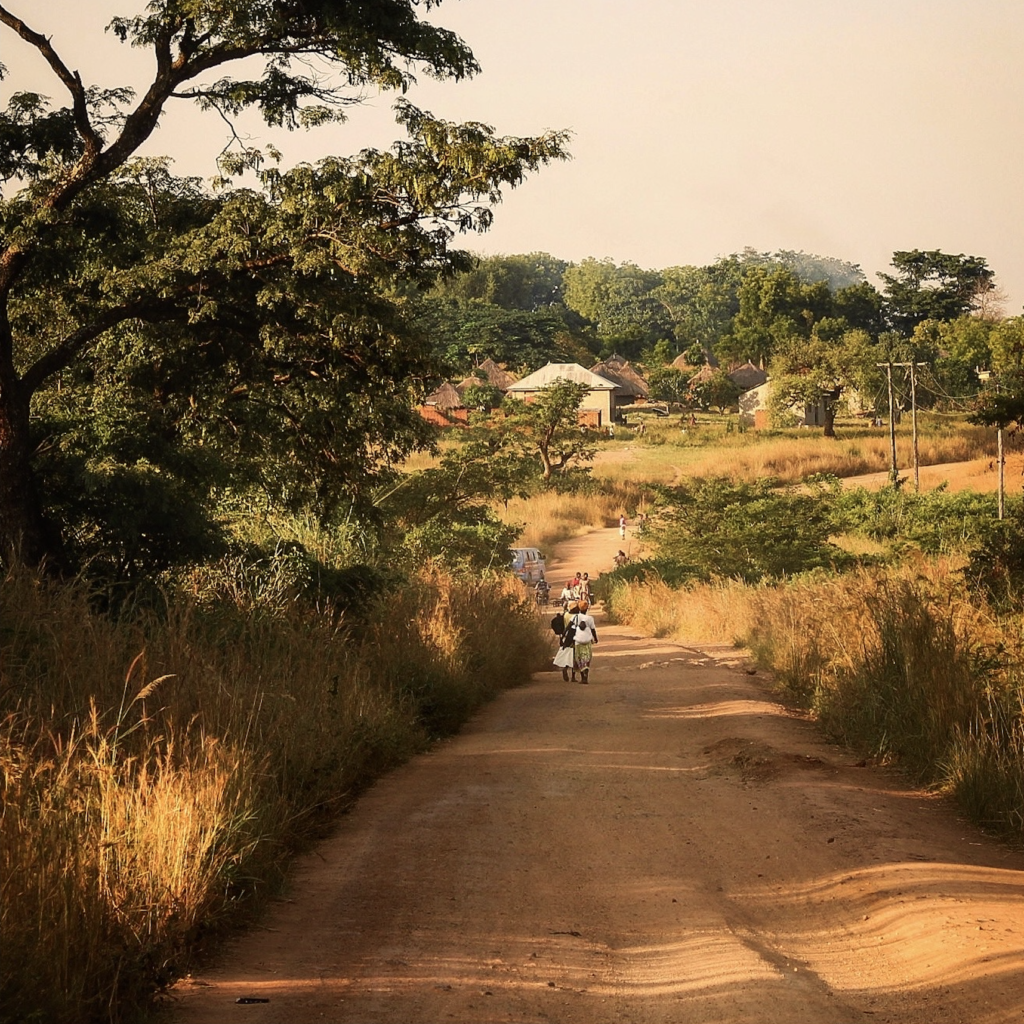
The West Nile region of Uganda is a culturally rich and largely untouched corner of the country, known for its authentic rural landscapes, wildlife, warm hospitality, and deep traditions.
The project is also a way to showcase the authentic cultural side of Uganda, highlighting the diversity of its people, customs, food, and heritage.
Crucially, the event is designed to be inclusive, intentionally involving vulnerable and underrepresented groups, including youth, women, and marginalized rural communities.

Frequently Asked
Is it fully self-supported?
Yes. This race is fully self-supported, which means riders must rely entirely on themselves and publicly available resources along the route. No pre-arranged assistance, support crews, or outside help is allowed. You will find all the rules in our Playbook PDF
Riders are responsible for all food, water, repairs, navigation, and rest, and must plan carefully to complete the course safely and within the official cut-off times.
Dehydration is one of the most serious risks. West Nile can exceed 38°C.
Can I race solo or in pairs?
Yes. The race can be completed solo or in pairs. Solo riders compete independently.
Pairs must ride together for the entire duration of the race, staying within sight and distance of each other at all times. Pair members may share equipment, food, and decision-making, but may not receive outside assistance.
Both categories follow the same self-supported rules and course.
What distance and terrain should I expect?
The route covers approximately 800 km with around 10,900 m of total climbing. The course is predominantly gravel and dirt, with only about 3% paved roads. Expect rough surfaces, remote sections, rolling hills, sustained climbs, and constantly changing conditions.
Are e-bikes allowed?
No. Only traditional human-powered bicycles are permitted. E-bikes or any motor-assisted devices are not allowed and will result in disqualification. This ensures fairness and maintains the self-supported spirit of the race.
How do I navigate the course?
Navigation is by GPS only. The route is not marked, and riders must follow the official track provided.
Where can I get food and water?
This is a fully self-supported race, so riders are responsible for their own food and water throughout the course. Supplies must be obtained from publicly available sources such as local shops, markets, restaurants, or water points along the route. There are no aid stations provided by the organizers, so careful planning and resupply management are essential and part of the challenge. Take a look into our Race Playbook.
What about accomodation?
Accommodation: Participants are responsible for arranging their own accommodation during the race. Pre-bookings are not permitted. Camping is also an option.
As the event dates approach, we will share some recommended places to stay, but ultimately, each participant is free to choose where they would like to stay.
What safety and medical support is available?
Yes. Safety and medical support are provided to ensure rider well-being throughout the event. All participants are tracked via GPS devices, which allow organizers to monitor progress and respond to emergencies. While riders are responsible for their own safety, designated checkpoints and emergency contacts are in place along the route.
Medical assistance can be dispatched if needed, but riders should carry basic first-aid supplies and be prepared for self-care in remote sections.
Take a look into our Race Playbook.
Are there checkpoints or tracking devices?
Yes. There are checkpoints, and GPS tracking is mandatory for all riders.
What qualifies as a category finish?
To finish in your category, you must complete the full route within the cut-off time and collect the official stamp at every checkpoint. Missing a stamp means no category finish.
Checkpoints will also have cut-off times.
Are there prizes or awards?
Yes, the race winner earns the rare right to name one of the newly reintroduced white rhinos at Ajai Wildlife Reserve.
How do I register?
Registration is already open, go to our race page here or make your registration directly in our official tool
How do I travel to Uganda?
Traveling from Europe to Uganda is quite straightforward, but usually involves one international flight with a connection.
Entebbe International Airport is the main gateway to Uganda, located near the capital Kampala. There are also internal flights to ARUA airport, where the race will start.
Total journey: 10–16 hours (depending on connection)
Europe / Africa connections
- KLM via Amsterdam
- Brussels Airlines via Brussels
- Ethiopian Airlines via Addis Ababa
- Turkish Airlines via Istanbul (Please note that this airline often delays luggage, with bags frequently arriving on the following day rather than on the same flight)
Entry Requirements
- You need a visa for Uganda
- Apply online for an e-Visa before traveling
- Your passport must be valid for at least 6 months
- Yellow Fever vaccination is mandatory
- Recommended vaccination: Hepatitis A/B, Typhoid
What wildlife might I encounter?
Riders may encounter livestock, dogs, monkeys, baboons, birds, and other small wildlife along the route. In certain remote sections, particularly near the banks of the Nile and across the Murchison Falls National Park area, sightings of larger wildlife — including members of the Big Five — are possible but sporadic.
The route is planned to avoid high-risk areas, but riders must remain alert at all times, especially near water sources, in low light, and in remote sections. Wildlife should always be respected, and riders should keep a safe distance and follow any local guidance or instructions.
How should riders respect local communities?
Ugandans are extremely welcoming and friendly, but many communities are very religious and culturally traditional. To ensure a positive experience, riders should be respectful at all times.
Riders should:
Ask permission before taking photos of people, homes, or livestock.
Respect local customs, places of worship, and private property.
Avoid discussing politics or sensitive topics with locals.
Keep noise levels low and avoid disturbing ceremonies or gatherings.
Leave no trace: take all trash with you and minimize impact.
Being polite, considerate, and friendly will help you enjoy the hospitality Ugandans are known for and maintain positive relations throughout the race.
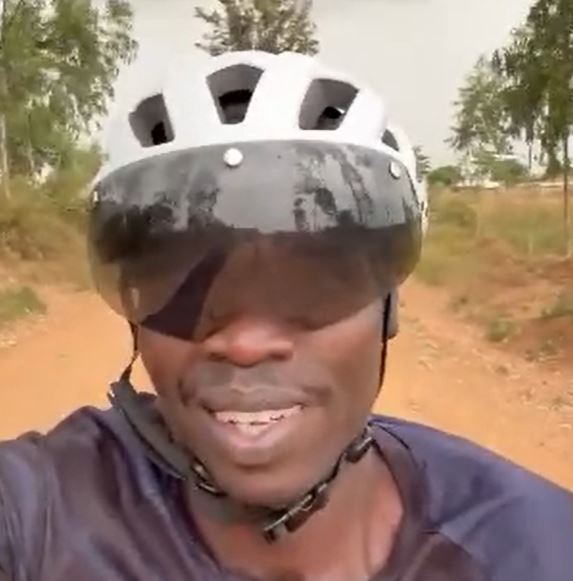
“As one of the first riders to test this course, I can say: it’s raw, diverse, and seriously challenging. The track pushes you in every section. If you’re among the first daredevils to join this race, you’ll experience something truly exceptional.”
Michael Adriko Justo – West Nile Cyclist Club
Interested?
Use the form to get in contact with us, or send a mail to info@racethenile.com
Partners